
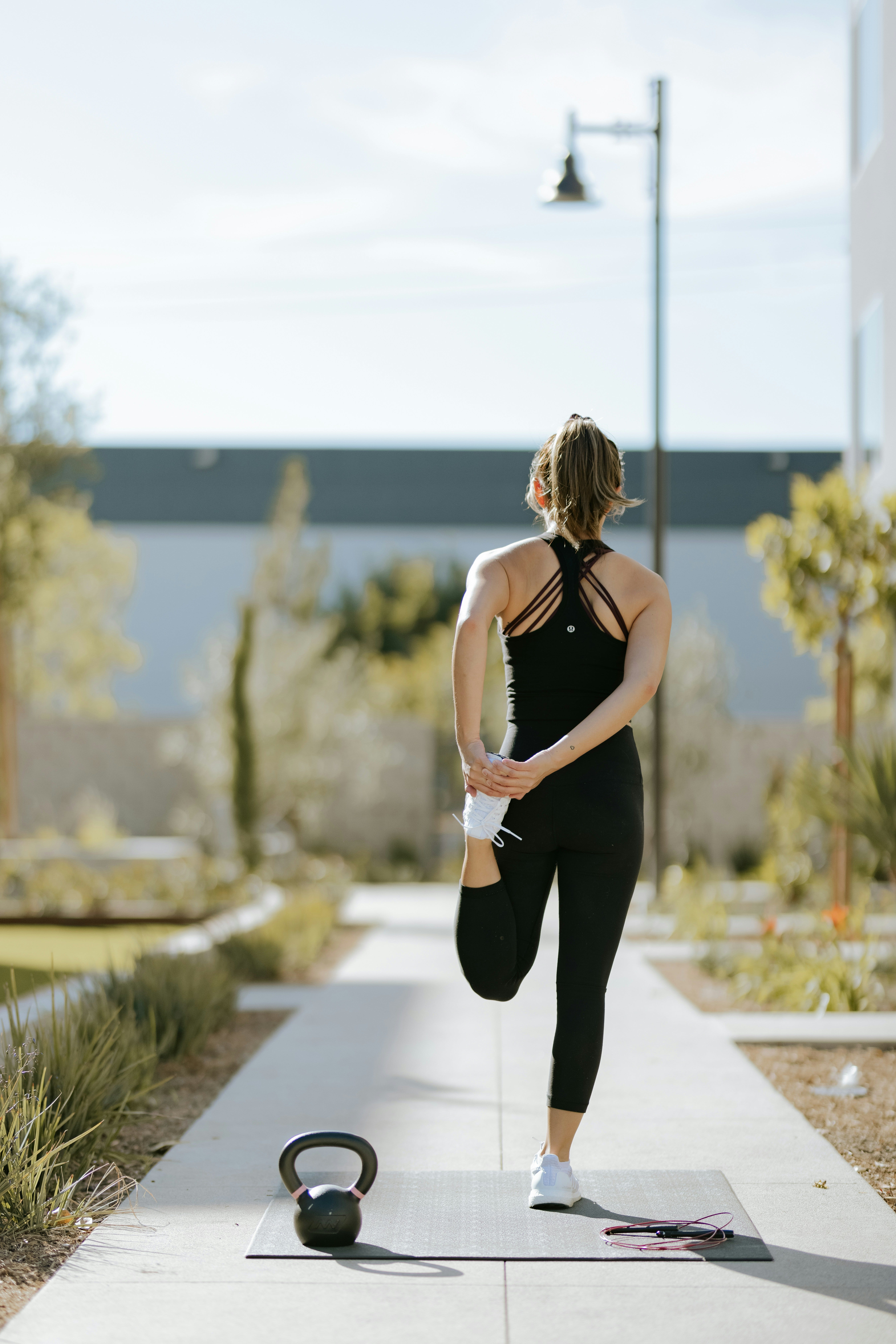
A simple, sustainable guide to help you get strong, stay active, and support lifelong health with no complicated routines
If you could only choose a handful of exercises to do for the rest of your life to stay strong and healthy, what would they be?
Of course, exercise selection depends a lot on your specific goals. If you want to run a marathon, build muscle, or compete in a sport, you’ll need a specific program to be successful.
The five exercises and five stretches I share aren’t necessarily about reaching specific goals and more about what your body needs to stay healthy, capable, and resilient for daily life and overcoming common challenges we all face as we get into our later years.
However, if you’re just beginning your health and fitness journey, or if you’re looking for ways to simplify your routine while still gaining real, lasting benefits, these exercises and stretches are a great way to start.
Keep in mind, you don’t need complicated workouts or gym membership to improve your health.
What you do need are simple, functional movements that make your body stronger, keep you moving well, and help you stay independent and active over the long term.
The Top 5 Exercises for Lifelong Fitness and Longevity
These exercises work because they’re functional meaning they train the patterns and muscles you use in daily life. Done regularly, they build total-body strength, improve endurance, and protect your joints from injury.
1. Walking
Why it’s important:
Walking strengthens your heart, lungs, legs, bones, improves mood, supports weight control, and reduces the risk of chronic diseases.
So many benefits to walking and it’s accessible to almost everyone, no matter if they’re starting out or advanced in exercise.
How it applies to everyday life:
Walking keeps you mobile, helps you run errands, enjoy nature, play with kids or pets, and stay independent.
Coaching tip: Aim for 30–60 minutes most days. Add hills or a brisk pace for added benefits.
2. Squats
Why it’s important:
Squats strengthen your glutes, quads, hamstrings, and core. These muscles you use every time you sit, stand, lift, or climb.
How it applies to everyday life:
Whether you’re getting up from a chair or the toilet, bending to pick something up, or carrying heavy grocery bags from the car- squats give you the leg and hip power to move safely.
Coaching tip: Start with your bodyweight, then progress to goblet squats (holding a dumbbell or backpack in front of you). Spread your legs a little wider than shoulder width, keep your heels down, chest up, and knees aligned. And don’t forget to squeeze your glutes at the top of the squat position.
3. Push-Ups
Why it’s important:
Push-ups are great upper body exercise. The movement trains the chest, shoulders, triceps, and core, giving you the strength to push, brace, and stabilize.
How it applies to everyday life:
You’ll use this strength to push doors open, help yourself off the floor, carry objects, or even catch yourself if you stumble.
Coaching tip: If traditional push-ups are too difficult then modify to wall or knee push-ups.
The goal is to aim for good form and full range of movement.
4. Hip Hinges (Deadlifts)
Why it’s important:
The hip hinge movement strengthens your hamstrings, glutes, and lower back. A great exercise to teach how to lift with your legs and not to strain your back.
How it applies to everyday life:
Think picking up a laundry basket, lifting a grandchild, or loading your car.
Being safe and strong in lifting objects matters more than you know.
Coaching tip: Practice the movement with just bodyweight, then use light weights, kettlebells, or even a heavy grocery bag.
5. Carries (Farmer’s Carry)
Why it’s important:
Carry exercises work basically your entire body focusing on grip, shoulders, core, and legs. The added benefit also improves balance and stability.
How it applies to everyday life:
Carrying groceries, hauling a suitcase, moving boxes and all real-life tasks rely on your ability to carry weight safely and efficiently.
Coaching tip: Grab two moderately heavy items (like dumbbells or water jugs), stand tall, and walk slowly and steadily for 30–60 seconds.
Focus on good posture keeping head-up, chest out and shoulders back.
The Top 5 Stretches (and Mobility Moves) for Flexibility and Longevity
Individuals spend a lot of time with strength and cardio exercises and then try to fit in stretching when it’s convenient.
In truth, being flexible and good joint mobility is the key to a healthy and pain free life. Although strength is important, flexibility and mobility keep your joints healthy, improve balance, and prevent stiffness.
Here’s what I recommend for long-lasting results.
1. Doorway Chest Stretch
Why it’s important:
This stretch opens tight chest and anterior shoulder muscles, which often become shortened from long hours sitting or working at a desk.
How it applies to everyday life:
Overall better posture, less upper back and neck tension, and improved shoulder mobility for reaching, lifting, or overhead movements.
Coaching tip: Stand in a doorway, place your forearm against the door frame at a 90-degree angle, and gently lean forward until you feel a stretch across the front of your chest. Hold and maintain breath for 30 seconds.
2. Hip Flexor Stretch
Why it’s important:
Sitting shortens the hip flexors, contributing to back pain and tight hips.
How it applies to everyday life:
Better walking stride, improved hip movement, and less strain on the lower back.
Coaching tip: Lunge forward, tuck your tailbone slightly to deepen the stretch in the front of the hip. Stand close to a wall if you need additional balance. Focus on your breathing helps with balance.
3. Hamstring Stretch
Why it’s important:
Tight hamstrings limit bending, lifting, and balance. They also limit lower back movement which will cause tightness and discomfort.
How it applies to everyday life:
Improved bending, smoother walking, and reduced risk of lower back injury.
Coaching tip: Sit on the floor or stand with one foot propped up, reach gently toward the toes with a straight back.
4. Cat-Cow (Spinal Mobility)
Why it’s important:
The dynamic movement Improves spine flexibility and warms up the back muscles.
If you suffer from lower back injuries, go slow with this movement or skip it entirely if you don’t feel comfortable.
How it applies to everyday life:
Helps you bend, twist, and reach comfortably while reducing stiffness.
Coaches tip: On hands and knees, arch your back (cat), then lift your chest (cow). Move slowly, linking to your breath for desired repetitions.
5. Bird Dogs
Why it’s important:
This core and balance exercise strengthens your back, abs, and glutes while improving coordination. Also, a good movement for individuals experiencing lower back issues from previous injuries.
Go slow with this movement and gauge intensity later.
How it applies to everyday life:
Supports stable walking, reduces fall risk, and improves core strength for lifting and carrying.
Coaching tip: On hands and knees, extend opposite arm and leg straight out, hold briefly for 3 second count, then switch sides. Keep your hips level and controlled.
A Simple 4-Week Plan
Now that you have five exercises and stretches, here’s how you can put it all together.
Strength & Carry Days (2–3 per week):
- Squats (2–3 sets)
- Push-Ups (2–3 sets)
- Hip Hinges (2–3 sets)
- Farmer’s Carry (2–3 carries, 30-60 seconds each)
Walking Days (2–3 per week):
- 30–60 minutes easy to brisk pace
Stretch & Mobility (daily or post-workout):
- Doorway Chest Stretch
- Hip Flexor Stretch
- Hamstring Stretch
- Cat-Cow
- Bird Dogs
Hold each stretch for 30-45 seconds and perform 8–10 controlled reps of mobility moves.
Final Thoughts
The goal isn’t about perfection, it’s consistency.
To maintain a lifestyle that incorporates exercise and stretching requires simple, functional movements done regularly. Regularity will carry you through the years to be stronger, more mobile, and keep the quality of life you deserve.
By focusing on these key exercises and stretches, you’re investing not just in looking fit, but in moving well, aging well, and staying independent.
Live Well
Vincent A.

Leave a Reply