
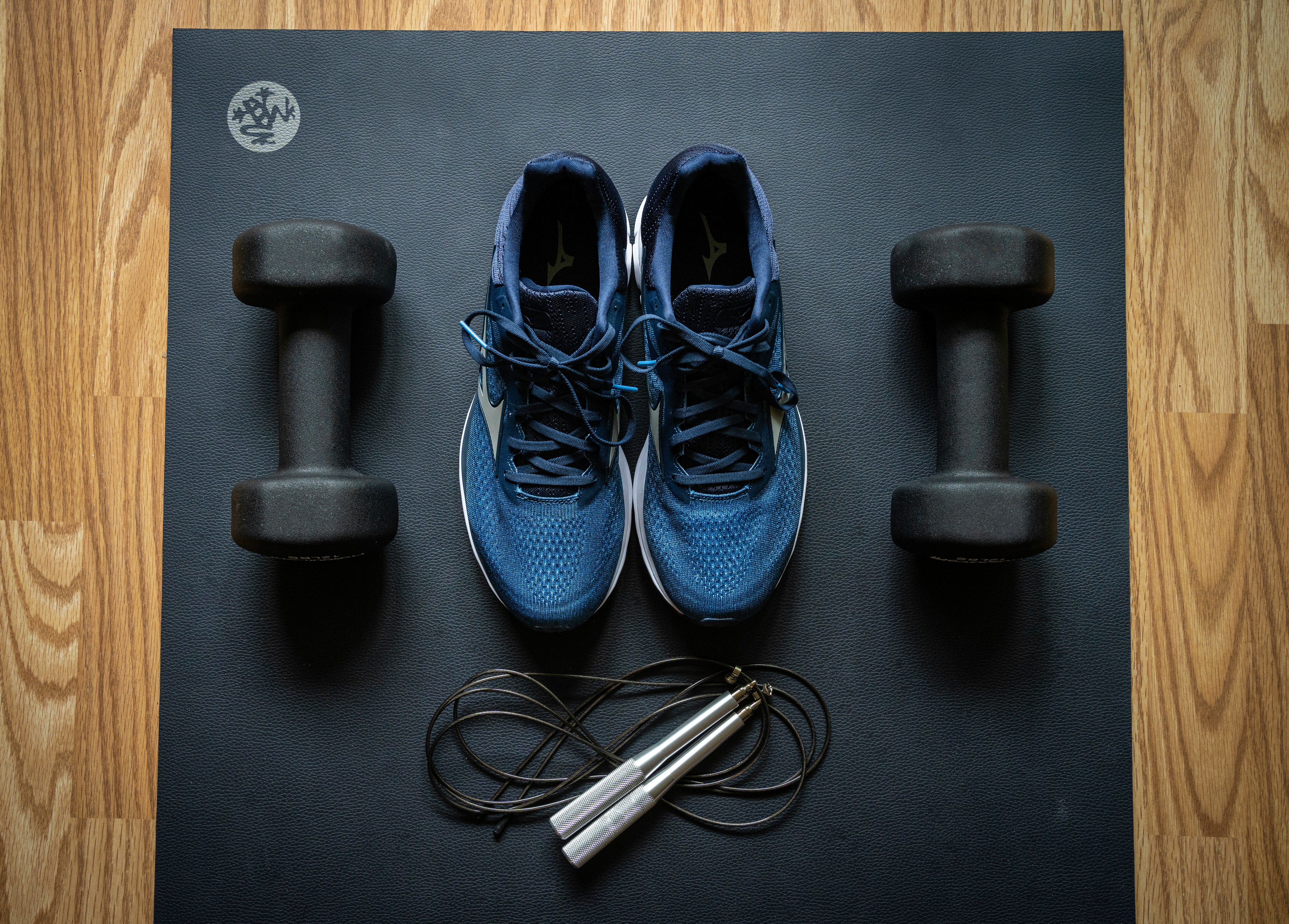
People already know that staying active is important and we hear it all the time to move more, exercise regularly, and take care of your health.
But knowing it and building a sustainable routine that fits into your life are two different things.
For many busy individuals, the challenge isn’t motivation. It’s clarity. What actually matters? What’s enough? And how do you keep it simple without feeling like you’re missing something important?
The truth is that fitness doesn’t have to be complicated.
Current research shows that a few foundational habits drive most long-term health outcomes. When you focus on the basics and apply them consistently, you cover far more ground than constantly chasing new trends.
When you strip it all down, it comes back to four core habits.
1. Aim for 150 Minutes of Cardio Each Week
Incorporating cardiovascular exercise can’t be overstated how important it is to your health. Cardio supports your heart, lungs, and overall endurance. It also plays a major role in reducing the risk of chronic conditions like heart disease, type 2 diabetes, and high blood pressure.
Guidelines from major health organizations consistently point to about 150 minutes of moderate-intensity activity per week as a baseline for general health. If you want to improve your health, increase your minutes.
However, that doesn’t mean long or exhausting workouts.
That could look like 30 minutes, five days a week. Or even two 15-minute sessions in a day if that fits your schedule better. In fact, studies show that shorter bouts of activity still provide meaningful benefits when done consistently.
Walking briskly, cycling, swimming, rowing machine, or even rucking all count.
If you’re just getting started, keep it simple. Start with a short walk. Build the habit first, then add the intensity later.
In the long run, consistency matters far more than how hard you go on any single day.
2. Strength Training at Least Twice Per Week
Strength training is where a lot of long-term health benefits really start to show up.
As you age, the body naturally lose muscle mass, a process known as sarcopenia. Strength training helps slow that process down, while also improving metabolism, supporting joint health, and increasing bone density.
It also carries over into real life in ways people often overlook. Better strength means better posture, fewer aches and pains, and more confidence in everyday movement.
You don’t need a complicated program to begin.
Start with basic movements like squats, push-ups, lunges, and presses. Aim for 2–3 sets of 8–12 repetitions, covering your major muscle groups at least twice per week.
From an exercise science perspective, this rep range is effective for building strength and muscle for most individuals, especially when paired with consistency over time.
You can always refine things later. Right now, focus on building the habit.
3. Don’t Skip Balance and Flexibility
Balance and flexibility are often the first things people ignore and the first things they wish they hadn’t.
Balance and flexibility tend to decline gradually, which is why they don’t always feel urgent, until they are. Research shows that maintaining these qualities helps reduce fall risk, improve coordination, and support long-term mobility.
But this doesn’t require a full hour session or bending yourself into a pretzel.
You can keep it simple by adding 5-10 minutes of stretching after a workout or including a short yoga or mobility session once or twice a week.
Even small, consistent efforts can improve how your body feels and moves day to day.
And for many people, this is the difference between exercising through discomfort and moving well.
4. Move More Throughout the Day
Workouts are important, but what you do the other 23 hours of the day matters just as much.
Research on sedentary behavior shows that long periods of sitting are associated with increased health risks, even in people who exercise regularly. In other words, a workout doesn’t completely cancel out a full day of inactivity or long periods of sitting.
That’s where daily movement comes in.
A practical goal is around 8,000 steps per day, which has been associated with improved health outcomes and lower mortality risk compared to very low activity levels.
The good news is that this doesn’t require a complete lifestyle overhaul.
It often comes down to small decisions. Taking a short walk during breaks. Parking a little farther away. Choosing the stairs when you can. Getting up and moving between meetings or going to the restroom.
These moments may seem small, but they add up quickly over the course of a day and weeks.
Final Thoughts
There’s no perfect routine. There’s only the one that fits your lifestyle.
When you combine consistent cardio, basic strength training, a little mobility work, and more daily movement, you create a foundation that supports your health for the long-term.
You don’t need to do everything at once.
Start with one habit. Build some consistency. Then layer in the next.
That’s how sustainable fitness is built, one step at a time.
Live Well
Vincent A.

Leave a Reply